Predictive Maintenance – Real-time Sensor Data from 200 Feet in the Air
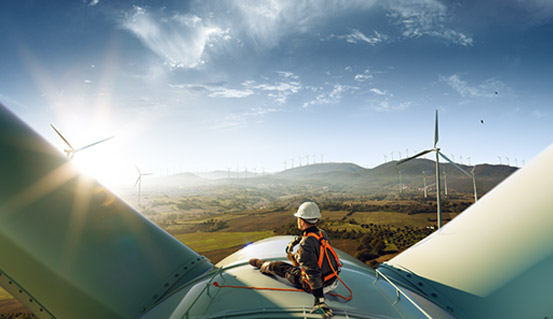
Monitoring sensor output signals over a period of time can offer insights into equipment failure. From bearing vibration to rising temperatures, as properties change, the decline in performance or need for part replacement can be predicted to avoid catastrophic failure, downtime and cost. Filtration is another area of maintenance; as an example, differential pressure sensors can be used to monitor pressure across a filter to predict hydraulic or pneumatic filter maintenance.
For industrial condition monitoring and predictive maintenance applications vibration specification parameters are considered critical to ensure long-term, reliable, stable and accurate performance including: wide frequency response, measurement resolution, low drift and operating temperature.


Be There with TTI and TE Connectivity
TTI, TE Connectivity and the Industrial
Internet of Things – Bringing Data to Work
Featured IIoT Products
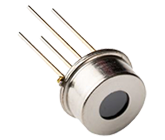
Digital Thermopile
Sensors
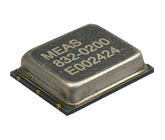
Triaxial
Accelerometers
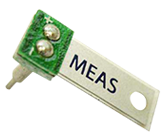
High Sensitivity
Vibration Sensors
Predictive Maintenance Resources
Condition Monitoring: Vibration Sensor Technology Comparison
In the past, accelerometers were primarily used for heavy, high-end machinery such as windmills, industrial pumps, compressors and HVAC systems. Driven by increased automation, demand is rising on high-volume, smaller systems such as machine spindles, conveyor belts, sorting tables, or machine tools which require better predictive maintenance. Machine downtime in these applications is a critical consideration in terms of customer experience and profitability. We see an increasing sensor demand for high-volume and smaller machinery, driven by digital industrial transformation.
Reducing Costly Downtime: Accelerometers Transform Machine Maintenance
Factories are becoming more autonomous and require sensors to monitor equipment on the factory floor. Register for this webinar to learn how sensors are capturing critical data for performance analytics, improved efficiency, lower cost and better equipment utilization.
Asset Monitoring – Inventory Data Directly from the Asset
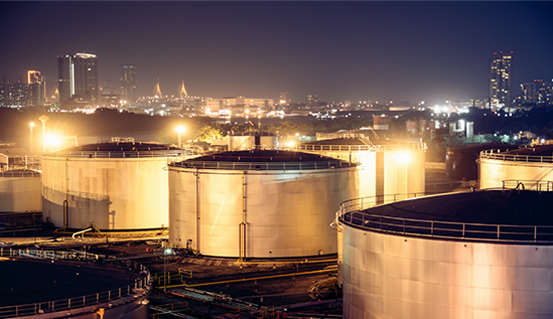
Keeping raw materials in the production pipeline is key to optimizing your output. With the Industrial Internet of Things (IIoT) and TE Connectivity sensors from TTI, monitoring your production line to know the volume of available materials on hand can happen from virtually anywhere. This can be a tremendous benefit when measuring liquid levels in tank farms or food processing systems where distance, or sanitary conditions require remote sensing. By enabling the power of the IIoT, asset monitoring goes where you go.
Building Automation – Aggregate Data from an Entire Campus
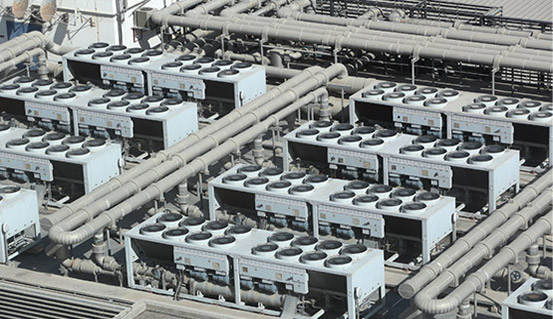
In a world of smart phones and smart cities, creating a smart building offers the next opportunity for industry as controls for heating and air conditioning systems, lighting, refrigeration and many other factors utilize data and intelligence to upgrade traditional systems. Sensors for temperature, pressure and humidity can be utilized systems to wirelessly transmit actionable data from a wide variety of sources across a single building or an entire campus. From HVAC systems on a building rooftop to high-efficiency lighting systems that can be scheduled or even detect presence, Industrial Internet of Things (IIoT) solutions that rely on components from TE Connectivity and TTI are changing the factory environment.
Process Automation – Position and Speed Data in Real-time
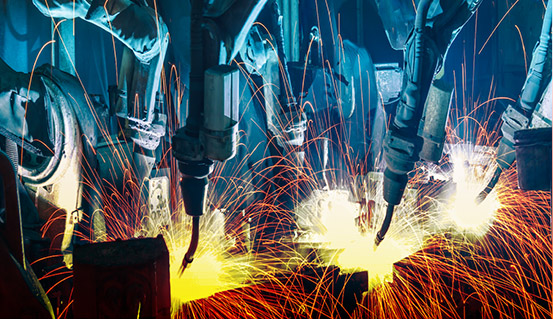
Industry 4.0 process automation relies on accuracy in data coming from the production line. TE Connectivity sensors from TTI allow instant, accurate information on the state of your system from the exact point you need it. Pressure, temperature, humidity and many other factors affecting your systems can be monitored allowing control and continuous operation without hands-on supervision. Leverage the power of the Industrial Internet of Things with TE Connectivity and TTI, to bring your data to work.