Trends in High Power, In and Out of the Box
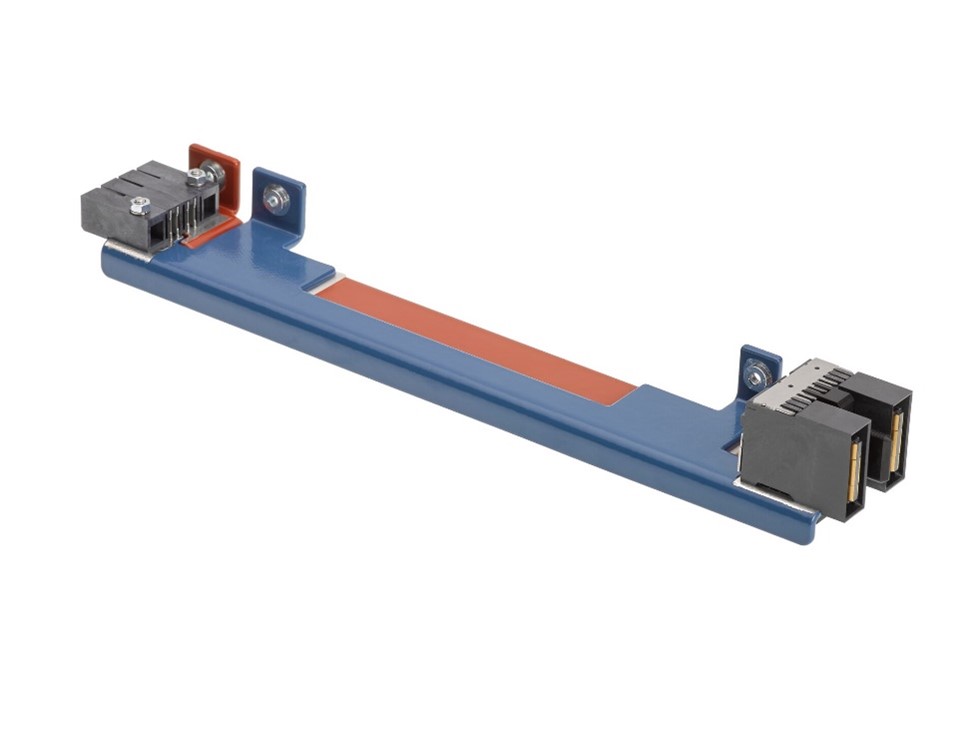
From electric and hybrid vehicles to mobile consumer electronics, renewable energy systems and higher-capacity data processing capabilities, the need for high-power electronics and power transmission is increasing at a remarkable rate. With it, the need for reliable, effective and cost-efficient power solutions such as busbars and power connectors has grown exponentially.
Innovations in this field are paving the way to advancements in electric vehicle (EV) efficiency and capability. Indeed, improvements in busbar manufacturing technologies are leading to smaller, more capable and more reliable power transmission capabilities for EVs. And sophisticated connector technologies are available for high-vibration, high-stress environments, while safer and more efficient connectors are being designed for the production line.
With an 80+-year track record of innovation in the electrical connector field, Molex is at the forefront of these developing trends in high-power technologies. Leveraging its global manufacturing capabilities and extensive engineering expertise to produce inventive and cost-effective new busbar and connector products for the automotive, EV and industrial markets, Molex is leading the charge in high-power advancements in the EV market, both inside and outside of the box.
Miniaturization: More Power in a Smaller Package
A trend toward miniaturization in electronics is nothing new, but as the race to increase both the capability and the efficiency of EVs accelerates, miniaturization in high-power connections has taken on added urgency. At the heart of this trend are advancements in busbar technology. An ever-widening array of electronic features in cars, from sensors to cameras and in-cabin amenities, demands power be delivered to more points. Busbars, which can be manufactured to be more conducive and denser than cables, are increasingly popular with EV manufacturers, as they are continually seeking to reduce vehicle weight. By collaborating with Molex engineers, the EV manufacturers are reducing the total number of onboard busbars, improving conductivity and delivering more high-precision designs.
With busbar designs becoming more compact in space-constrained onboard EV applications such as DC-to-DC converters and inverters, precision is key. To achieve this requirement, over-molded busbars have emerged as a solution to the challenge of maintaining busbar rigidity and positioning, even in high-vibration environments. The durable plastic housings possible in over-molded busbar design make a greater optimization of available space possible, preventing unwanted movement and putting more power transmission capability into a smaller package. The engineering challenges of over-molded housing designs are unique, which is why Molex plastics engineers specialize in the construction and refinement of these busbar housings.
EV manufacturers are not only looking to reduce size. Weight reduction is just as much, if not more, of a priority to increase range and overall vehicle efficiency. This is where aluminum busbars excel; with a range of power options available and weight savings possible through use of aluminum busbars, dramatic efficiencies can be achieved for EVs. Aluminum busbars also offer cost savings in many applications.
Flexibility: From Design to Application
A key attribute in busbar design is its ability to be flexible. For EVs or any application similarly subject to vibration, flexibility in the busbar itself is vital to ensuring dependability, longevity and reliable performance. Molex manufactures a range of busbars designed for high-vibration environments where a degree of flexibility permits the movement necessary to prevent stress or breakage. Braided or rope busbars are available, while multi-layer busbars are increasingly popular for both vehicle and EV charging station applications. Multi-layer busbars, with numerous layers of thin metal, can make it easier to manufacture complex shapes and offer a slight degree of movement to help absorb vibration stresses.
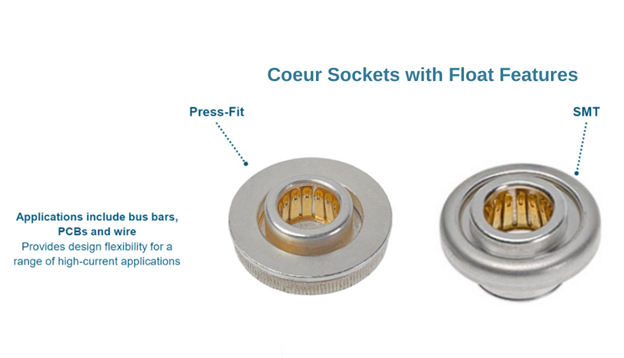
Additional flexibility is available using connectors designed with high-vibration environments in mind. The Coeur socket system, available with Molex Sentrality and PowerWize high-power connectors, offers 1.00mm of float in every direction to accommodate movement or tolerance stack-up issues. Other options, like FiT Family power connectors and Squba sealed wire-to-wire connectors, come with positive-lock latching features to ensure reliability in harsh environments.
Safety: Protection for Industrial Applications
A primary concern with any high-power application is safety. Onboard EV high-power installations may not require disconnection, but it is a different story on the assembly line. The potential risk associated with high-voltage, high-current power connections in industrial settings has led to the development of technologies to protect both people and property.
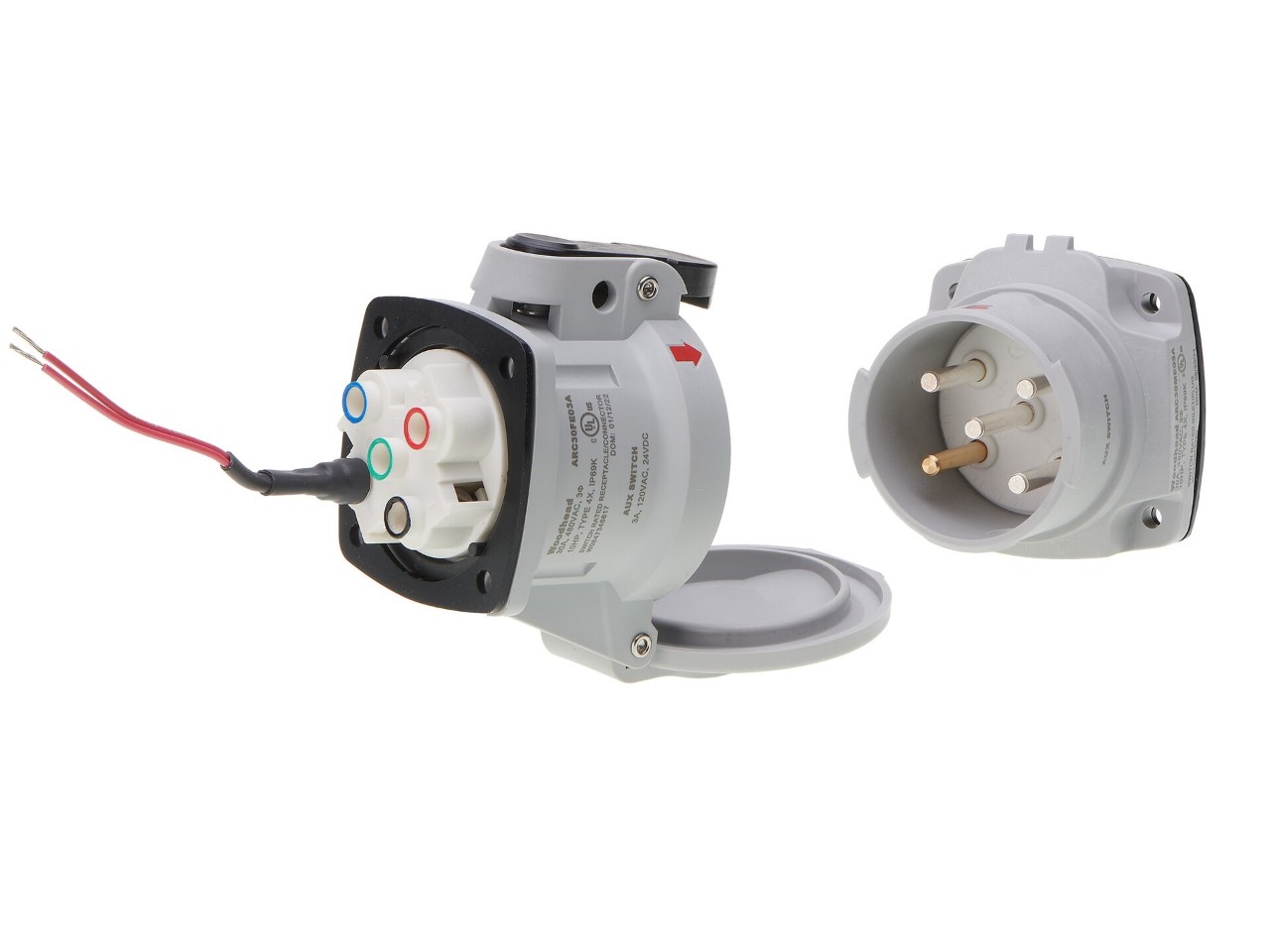
Molex is at the forefront of this development work. Its Woodhead ArcArrest system is a disconnect-rated power connector designed for high-current industrial use. The ArcArrest switch-rated connector permits disconnection of circuits up to 60.0A while under load, including arc flash protection and Max-Loc cord-grip technology. The connector is also fitted with lockout holes for enhanced lockout/tagout protection.
With its Safeway and Super Safeway line of commercial- and industrial-duty GFCI cordsets, Molex is also a leader in high-current ground fault circuit interrupter (GFCI) protection for industrial applications. The value and necessity of GFCI protection is increasingly recognized for many environments in which people or equipment may be at risk from the effects of a ground fault. With products now available from Molex, these risks can be addressed efficiently and effectively.
Innovation: Manufacturing Advantages
As an innovator in the field of connection and electronic solutions, Molex is well-known for the expertise of its engineers, with experienced design teams available to help customers engineer power solutions for maximum manufacturability, design quality and cost-effectiveness. Molex’s engineers specialize in growing fields like over-molded plastic housing and multi-layer busbar design to address this need.
Molex busbar manufacturing facilities in North America and Asia offer diversified global capabilities and supply chain flexibility. A new manufacturing facility is currently under construction in Europe as well to further improve Molex’s service to European automakers and industrial customers. Advancements in manufacturing technology such as laser cutting are also permitting Molex to offer high-precision busbar geometries at a faster manufacturing rate with less scrap, improving lead times and reducing waste.
The need for high-power connections will only increase as the global appetite for EVs, battery systems, electronics and improved manufacturing capabilities expands. As this growth brings new challenges and even greater opportunities, Molex is standing by to innovate them.